If your ideal Salt Lake weekend starts with coffee, unfolds on foot, and ends with dinner close to home, 9th & 9th deserves a spot on your radar. This pocket of East Central offers a distinctly local rhythm, with shops, dining, art, and nearby green space all woven into a compact district. If you are trying to picture what day-to-day life here actually feels like, this guide will help you do exactly that. Let’s dive in.
Why 9th & 9th feels so livable
9th & 9th refers to the 900 East and 900 South business district in Salt Lake City’s East Central neighborhood. Salt Lake City describes it as a compact, locally oriented district known for boutique shops, dining, treats, movies, and outdoor art. That mix gives the area a clear identity without making it feel oversized or overstated.
East Central stretches from 700 East to 1400 East and from South Temple to 900 South. The neighborhood includes mature landscaping, a wide range of building styles, small shops, office buildings, and student housing. In practical terms, that means you get an older urban neighborhood pattern where homes and everyday destinations sit closer together.
The result is a lifestyle that feels naturally walkable. You are not forcing errands or weekend plans into a car-heavy routine. In many parts of East Central, especially near the corridor, daily life can feel more connected and flexible.
Start your weekend at coffee
A walkable weekend in 9th & 9th often starts at Coffee Garden at 878 E 900 S. It is one of the district’s best-known coffee stops and a familiar local anchor in East Central. If you want an easy first stop before browsing the area, this is a natural place to begin.
Coffee first also helps set the pace for the neighborhood. You can grab a drink, settle in for a slow start, or head straight into the district on foot. That is part of what makes 9th & 9th appealing. The weekend can feel unplanned in the best way.
Shop local along the corridor
The retail mix is a big part of the district’s charm. One useful example is The Stockist at 875 E 900 South, which has been in the neighborhood for more than a decade and carries clothing, home goods, jewelry, gifts, and everyday items. It reflects the kind of boutique shopping that gives the area its distinctly local feel.
What stands out here is not just a single store, but the pattern. In a compact district like this, shopping feels woven into the street rather than isolated in a large retail center. You can browse a few places, take your time, and keep the day moving without changing gears.
Plan lunch, brunch, or dinner nearby
Food is another major part of the 9th & 9th experience. Pago at 878 S 900 E is a strong example of the district’s farm-to-table character, with New American cuisine, local ingredients, and dinner service daily from 5 to 9 p.m. It fits the neighborhood well because it feels intentional, local, and rooted in the area’s identity.
If your weekend leans more casual, East Liberty Tap House at 850 E 900 S offers another option. It is a 21-plus bar with weekend brunch from 11 a.m. to 2 p.m., a patio when weather allows, and later hours on select days. Together, spots like these show how the district supports both an easy daytime outing and a full evening close to home.
See the district’s cultural side
9th & 9th has long been tied to local culture, and the Tower Theatre remains an important neighborhood landmark. While it is currently under renovation, with facade deconstruction underway in 2026 and reopening projected later this decade, it still matters as part of the area’s identity. For now, it is best understood as a future anchor rather than a current movie-night stop.
That distinction says something useful about the neighborhood. Even when a landmark is in transition, the district still has a strong sense of place. You are not just visiting a row of businesses. You are stepping into an area with continuity, memory, and local character.
Add parks and outdoor time
One of the biggest advantages of 9th & 9th is how easily city living connects to outdoor space. Liberty Park is within walking distance from the west edge of East Central, and it remains one of the area’s most important nearby amenities. Salt Lake City identifies it as the city’s oldest and second-largest park.
Liberty Park is open from 5 a.m. to 11 p.m., welcomes dogs on leash, and includes a three-loop system with a 1.5-mile paved multi-use path. If you want to add a walk, jog, or relaxed loop to your weekend, it is easy to do. One current note to keep in mind is that the Rotary Play Park is closed for construction through Summer 2026.
Gilgal Sculpture Garden offers a very different kind of outdoor stop. Located at 749 East and 500 South, it is described by the city as Utah’s only designated visionary art environment, with 12 original sculptures and more than 70 engraved stones. If you want a quieter detour with a distinctly local feel, it is one of the area’s most memorable nearby destinations.
Get around without relying on a car
For many buyers, the biggest lifestyle question is simple: how easy is it to move around once you live here? Around 9th & 9th, the answer is encouraging. The district connects to both transit and bike routes in ways that support a more car-light weekend.
Salt Lake City includes Route 9, Route 2, Route 1, and Route 21 in its frequent service network. UTA route information also shows Route 9 serving the 900 South corridor and Route 209 serving 900 East, with connections oriented toward places like Salt Lake Central Station, the University of Utah, Fashion Place West Station, and Poplar Grove. That gives you options when you want to head beyond the neighborhood.
Bike access is another strength. The McClelland Trail follows the historic canal route from the 9th & 9th Business District to the Sugar House Business District using quiet neighborhood streets and off-street paths. The Liberty Park Trail also connects to the 600 East Neighborhood Byway, which adds another layer of local mobility.
UTA also allows bikes on TRAX, FrontRunner, and all buses except Paratransit. In practice, that makes it easier to mix walking, biking, and transit in one outing. If you value flexibility more than a drive-everywhere routine, this part of East Central supports that lifestyle well.
What the homes add to the lifestyle
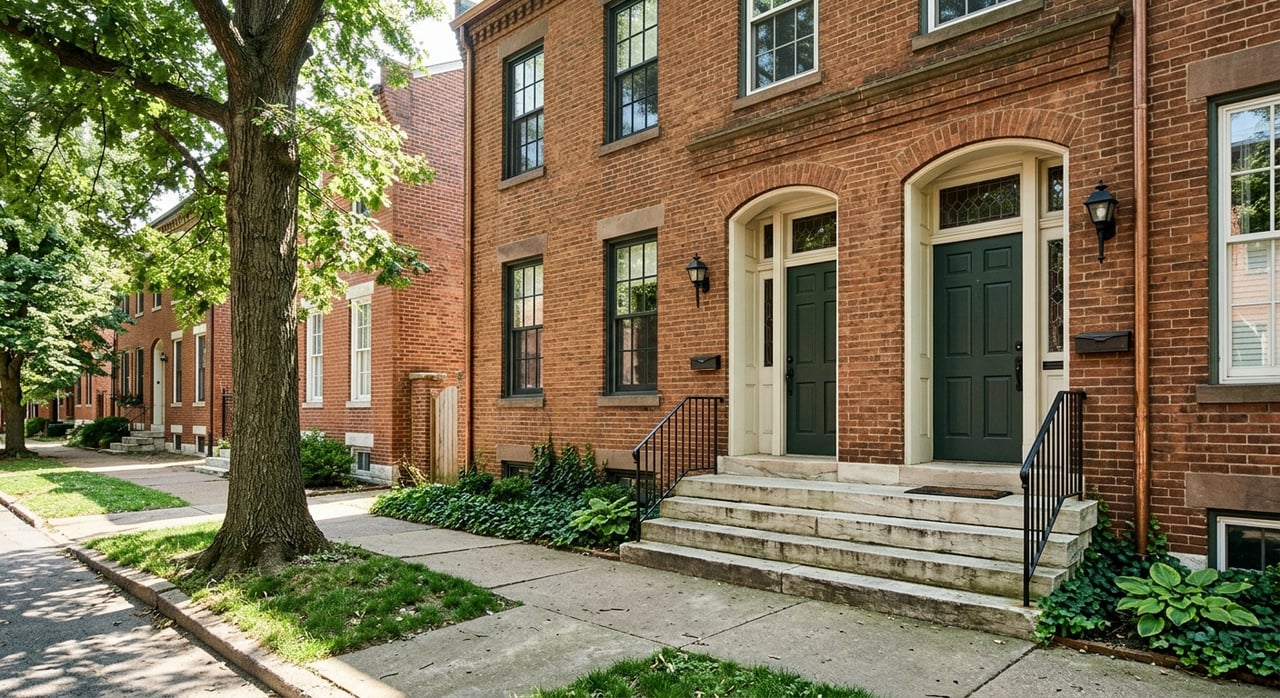
The built environment around 9th & 9th helps explain why the area feels the way it does. East Central includes single-family residences from the late 1800s through the 1940s, along with adobe farmhouses, double houses, frame cottages, late Victorian homes, bungalows, and large apartment buildings from the 1950s and 1960s. That range creates a neighborhood with visible architectural variety rather than a one-style streetscape.
For you as a buyer, that means the housing conversation is not one-size-fits-all. Near the corridor, the homes and buildings that support the walkable 9th & 9th lifestyle often include older single-family homes, duplexes, apartments, and smaller residences set into mature blocks. The appeal is not just square footage. It is how the home connects to the street, the shops, and nearby daily routines.
This is a useful distinction if you are comparing East Central to areas built around newer subdivision patterns. In 9th & 9th, the lifestyle value comes from proximity, neighborhood structure, and architectural texture as much as the home itself. For many buyers, that combination is exactly the point.
Who 9th & 9th may suit best
If you want a neighborhood where your weekends can happen close to home, 9th & 9th is worth serious consideration. It may appeal to buyers who enjoy local dining, boutique retail, older homes, nearby parks, and the ability to walk or bike for part of the day. It can also make sense for people who value a more established urban setting with a mix of housing types.
That does not mean every property or block will offer the same experience. East Central is a real neighborhood, not a themed district, and your exact lifestyle fit will depend on where you land within it. Still, if your goal is a Salt Lake location with character and strong everyday connectivity, this area offers a compelling case.
Thinking about living near 9th & 9th
A good neighborhood guide should do more than list coffee shops and dinner spots. It should help you picture how a place works when the weekend ends and real life begins. In 9th & 9th, the combination of local businesses, nearby parks, transit access, bike connections, and varied housing stock creates a daily pattern that feels flexible, grounded, and distinctly Salt Lake.
If you are weighing East Central against other Salt Lake neighborhoods, it helps to look beyond headlines and focus on fit. The right move comes from understanding how you want to live, what kind of housing supports that, and how the neighborhood functions over time. If you want help thinking through that decision, Align Complete Real Estate Services can help you evaluate your options with local insight and a strategic lens.
FAQs
What is 9th & 9th in Salt Lake City?
- 9th & 9th is the 900 East and 900 South business district in Salt Lake City’s East Central neighborhood, known for its compact layout, local shops, dining, and neighborhood character.
What is East Central in Salt Lake City?
- East Central is the neighborhood between 700 East and 1400 East and from South Temple to 900 South, with a mix of historic homes, apartments, small shops, offices, and mature landscaping.
Is 9th & 9th walkable for everyday living?
- The district is set up for a walkable lifestyle, with coffee, shopping, dining, and nearby parks clustered in a compact area and supported by transit and bike connections.
What parks are near 9th & 9th?
- Liberty Park is a key nearby green space, and Gilgal Sculpture Garden is another notable stop in the area for outdoor time and local character.
Can you get around 9th & 9th without a car?
- Yes, the area has bus service along 900 South and 900 East, bike connections including the McClelland Trail, and transit options that support a more car-light routine.
What types of homes are near 9th & 9th?
- Housing near the district includes older single-family homes, duplexes, apartments, bungalows, cottages, Victorian-era homes, and mid-century apartment buildings within East Central.