If you are thinking about selling in Sugar House, pricing may feel like the hardest part of the whole process. You want to capture the neighborhood’s strong appeal without turning buyers away in a market that rewards accuracy more than ambition. The good news is that Sugar House still commands premium attention, and with the right pricing strategy, you can position your home to compete well. Let’s dive in.
Why Sugar House pricing stands out
Sugar House is not just another Salt Lake neighborhood. It is one of the city’s oldest neighborhoods, with roots dating back to 1853, and it is widely known for its village-style layout, local businesses, dining, and strong neighborhood identity, according to Salt Lake City’s Sugar House overview.
That identity matters when you price a home. Buyers are often drawn to Sugar House for its mix of historic character, established streets, and access to destinations like Sugar House Park, the McClelland Trail, and Parley’s Trail, all of which help define the lifestyle buyers are paying for.
Walkability is a major part of that value story. Walk Score’s Sugar House data rates the neighborhood at 61 for walkability and 69 for biking, and national research from the National Association of Realtors shows that many buyers value walkable communities and may pay more for them.
Sugar House market snapshot
Today’s pricing environment in Sugar House is still strong, but it is also more measured than the peak frenzy years. Current neighborhood data in the research report places Sugar House pricing in the mid-to-high $600,000s, with sources showing a median listing price around $660,000, a median sale price around $680,000, and typical values near that same range.
Homes are still moving, but not every listing sells instantly. Research in the report shows median days on market in the low-to-mid 30s, which tells you buyers are active but also selective.
That pattern lines up with broader county trends. The Salt Lake Board of Realtors housing forecast shows Salt Lake County with modest price growth, slightly longer market times, and a market that is softer than the ultra-competitive years but not weak.
In other words, Sugar House remains a premium submarket, but buyers are paying close attention to value. That is exactly why pricing precision matters so much.
What should drive your list price
Start with closed sales
Your list price should begin with recent closed sales, not wishful thinking or outdated peak-market expectations. The strongest comps are homes in Sugar House that sold recently and match your home as closely as possible in size, age, lot utility, parking, layout, and condition.
If inventory is thin, nearby comparable areas may help round out the analysis, but local Sugar House sales should still lead the conversation. A good pricing strategy is built on what buyers have actually paid, not just what other sellers are currently asking.
Match your property type
Property type matters more than many sellers expect. Detached homes, condos, townhomes, and twin homes can attract different buyer pools, and they do not always price the same way even within the same neighborhood.
That matters in Sugar House because the area includes both traditional single-family homes and more urban attached housing. The Salt Lake Board of Realtors report shows that county sales include a meaningful mix of detached and attached properties, which reinforces the need to compare your home to the right category.
Factor in condition honestly
In today’s market, condition can shift value quickly. Buyers often compare finishes, system updates, roof and window age, landscaping, storage, garages, and off-street parking when deciding how much a home is worth.
If your home is updated and well-maintained, you may be able to support a stronger list price. If there is visible deferred maintenance or dated finishes, buyers may discount the home more than sellers expect, especially in a neighborhood where choices can vary widely in style and upkeep.
Consider architecture and historic context
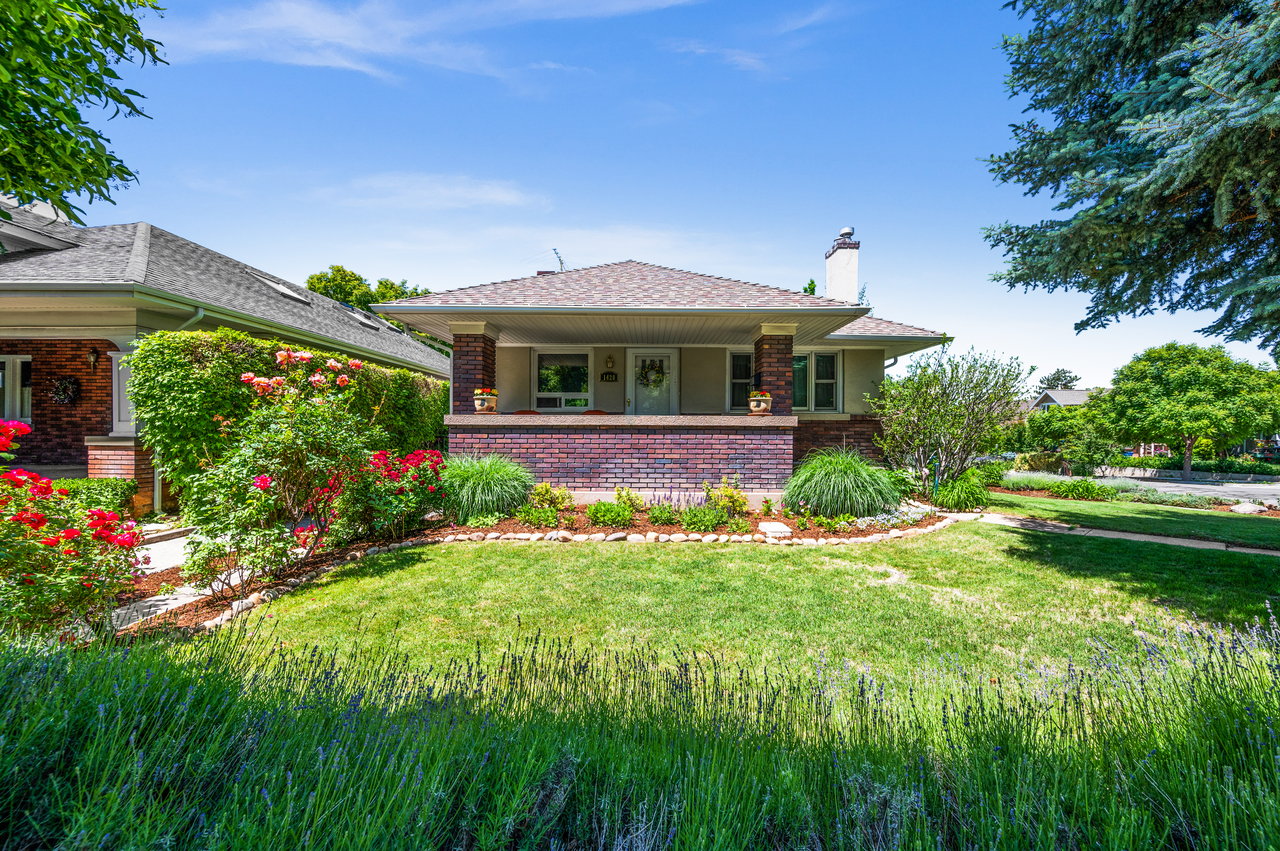
Character is a real asset in and around Sugar House. Buyers often value period details, original craftsmanship, and architecture that fits the neighborhood’s identity.
At the same time, some properties may be affected by local historic district rules. According to Salt Lake City historic preservation guidance, exterior changes in local historic districts require approval, which can influence renovation flexibility and buyer expectations. If that applies to your property, it should be part of the pricing discussion.
Look at micro-location
Even within Sugar House, location differences can influence price. Homes near Sugar House Park, the business district, or trail connections may benefit from stronger buyer interest because those amenities are closely tied to the neighborhood’s appeal.
That does not mean every nearby home earns a premium automatically. It does mean that pricing should reflect how your exact location fits into the lifestyle buyers are seeking.
Should you price high or price sharp?
This is where many sellers get stuck. It can be tempting to test the market with a high number, especially in a neighborhood with a premium reputation.
In most cases, the better approach is to price sharply and credibly based on recent comps and your home’s actual condition. If your property is especially updated, unusually well-located, or offers features that are hard to find, a stronger ask may be justified. But if the home does not clearly support that number, overpricing can increase days on market and weaken your position.
Sugar House can still be competitive. The research report notes that many homes receive multiple offers and that some hot homes can go pending quickly, but that does not mean every listing will trigger a bidding war. Strong presentation and accurate pricing are still the foundation.
Signs your home may be overpriced
A home does not always need a dramatic miss to lose momentum. In a market like this, even modest overpricing can slow activity.
Watch for these signs:
- Few or no strong showings in the first couple of weeks
- Buyer feedback that points to value concerns
- Comparable homes going pending while yours stays active
- Interest that does not convert into offers
- A growing gap between your asking price and the condition buyers see in person
When a listing sits too long, buyers often start to wonder what they are missing. That is why getting the price right from the start is usually the cleaner strategy.
A practical pricing plan for Sugar House sellers
Before you settle on a final number, it helps to work through a clear process. A thoughtful pricing plan can reduce guesswork and help you make a more confident decision.
Review the last 3 to 6 months
Look closely at recent sold comps from the last three to six months. Focus on homes that are genuinely comparable, not just nearby or similarly priced.
Pay attention to sale price, time on market, condition, and whether the home appears to have needed updates. In a changing market, newer sales usually carry more weight than older ones.
Compare active competition
Your price is shaped not only by what sold, but also by what buyers are choosing from right now. If similar homes are currently on the market, buyers will compare your property against those options immediately.
This is where preparation matters. If your home shows better, feels more updated, or offers a more useful layout, your pricing may have more room. If not, pricing should reflect that reality.
Confirm any historic rules
If your home may fall within an area affected by preservation standards, confirm that early. Rules around exterior changes can shape how buyers view future updates and can influence pricing strategy.
This is not necessarily a negative. For some buyers, architectural integrity and neighborhood character are part of the appeal.
Get local guidance
A local comparative market analysis is one of the most useful tools you can have. It should combine recent sales, active competition, location nuances, and an honest assessment of your home’s condition.
You may also want to speak with a financial professional as you weigh timing, proceeds, and your next move. Pricing is not just about exposure. It is about your larger plan.
The bottom line on pricing in Sugar House
Sugar House still holds a strong position in the Salt Lake market. Its walkable layout, park access, trail connections, and long-established neighborhood identity continue to attract buyers who are willing to pay for location and lifestyle.
But today’s market is rewarding realism. The most effective list price reflects recent comps, your home’s condition, property type, and micro-location rather than memories of a different market cycle.
If you want a pricing strategy that is local, thoughtful, and grounded in how buyers are actually behaving, working with a team that understands both the numbers and the neighborhood can make a meaningful difference. When you are ready, connect with Align Complete Real Estate Services for a strategic conversation about pricing your Sugar House home.
FAQs
What is the current price range for homes in Sugar House?
- Research in the report places Sugar House home values and prices in the mid-$600,000s to high-$600,000s, showing that the neighborhood remains a premium part of the Salt Lake market.
How long are homes taking to sell in Sugar House?
- Current market data in the report shows median days on market in the low-to-mid 30s, although especially well-priced homes can move faster.
What factors affect how to price a Sugar House home?
- The main factors include recent comparable sales, property type, condition, parking, lot utility, architecture, and how close the home is to neighborhood amenities like parks, trails, and the business district.
Can a Sugar House home still get multiple offers?
- Yes, some homes still receive multiple offers, especially when they are well-prepared and priced accurately for current buyer expectations.
Do historic district rules matter when pricing a Sugar House property?
- They can, because local historic district rules may affect exterior changes and renovation flexibility, which can shape buyer expectations and influence value.
What should you do before choosing a list price for a Sugar House home?
- Start with a local CMA, review nearby sold homes from the last three to six months, confirm whether any historic district guidance applies, and talk with both a real estate professional and a financial professional before making your final decision.