If you are selling a property near 9th & 9th, you are not just marketing walls, bedrooms, or square footage. You are marketing how daily life feels in one of Salt Lake City’s most recognizable urban areas. Buyers today pay close attention to walkability, nearby amenities, and neighborhood character, so the right story can make a meaningful difference. Let’s dive in.
Why 9th & 9th Stands Out
In Salt Lake City, 9th & 9th refers to the business district at 900 East and 900 South. The city describes it as a collection of boutique shops, farm-to-table cuisine, treats, movies, and outdoor art, with a streetscape shaped by landscaping, lighting, signage, seating, and public art.
That identity matters when you market a nearby property. Buyers often respond to places with a clear sense of location, and 9th & 9th offers one of the most established district identities in the city. For many shoppers, that can be just as compelling as a long list of interior features.
Know the East Central Context
A key step is getting the location story right. East Central is broader than 9th & 9th, with city-defined boundaries between 700 East and 1400 East and between South Temple and 900 South.
Salt Lake City describes East Central as an area with mature landscaping, unified setbacks, small shops, office buildings, student housing, large Victorian residences, and bungalows. The city also notes that residents value its proximity to downtown, urban atmosphere, architecture, walkability, and diverse restaurants.
For sellers, this means your property may benefit from the wider East Central identity even if it is not directly in the 9th & 9th core. Still, precision matters. If a home is near 9th & 9th rather than in it, your marketing should say exactly that.
Today’s Buyers Want More Than Size
Buyer preferences help explain why this area attracts attention. National survey data cited in the research shows 79% of respondents rate walkability as very or somewhat important, and 78% say they would pay more for a walkable community.
Another buyer trends report found that neighborhood quality ranks highest in purchase decisions, while shopping convenience, neighborhood design, walkability, entertainment, and transit also influence where people choose to live. The same research found that many buyers would even prefer an attached home if it meant an easy walk to shops and restaurants.
For a 9th & 9th property, that means your marketing should not rely on square footage alone. The value story is often about convenience, connection, and daily rhythm.
Lead With Lifestyle, Back It With Facts
The strongest marketing for this area combines emotion with accuracy. You want buyers to picture a morning coffee run, a walk to dinner, time at Liberty Park, or a bike ride along the neighborhood trail network.
At the same time, every claim should be specific and supportable. Salt Lake City frames walkability around access to essentials such as grocery stores, parks, schools, and public transportation, so broad language works best when it is tied to the actual property location.
That means your listing should answer practical questions like:
- Is the property in 9th & 9th, in East Central, or simply nearby?
- What destinations can someone realistically walk to?
- Which amenities are verified for this address?
- Are trails, parks, or storefronts directly accessible from the property’s route?
This approach does two things well. It creates a more useful listing for buyers, and it supports truthful, disciplined marketing.
Highlight the Right Nearby Amenities
For many properties in this part of Salt Lake City, the most relevant nearby features are public spaces and route connections. Liberty Park is within walking distance of the west edge of East Central, and Salt Lake City identifies the McClelland Trail and Liberty Park Trail as urban trails that connect neighborhoods, destinations, and open spaces.
The McClelland Trail follows the historic canal route from 9th & 9th to Sugar House. The Liberty Park Trail forms a paved multi-use loop around the park. When those routes are genuinely relevant to a property, they can strengthen the lifestyle story in a clear and concrete way.
A simple way to frame this in marketing is through daily use. Instead of vague phrases, describe how the property relates to the district storefronts, Liberty Park, or the trail network based on the actual address and route.
Use Property-Specific Language
This is one of the most important parts of marketing in East Central and around 9th & 9th. Because East Central is larger than the 9th & 9th core, and because the overlap is limited, you should treat every amenity claim as address-specific.
In practice, that means avoiding blanket statements about what a buyer can walk to unless you have verified the route and location. It also means distinguishing a district feature from a feature of the property itself.
For example, public art and streetscape improvements may help define the district’s identity. But if a property sits outside that core, the listing should present that relationship carefully and accurately.
Presentation Matters in Older Housing Stock
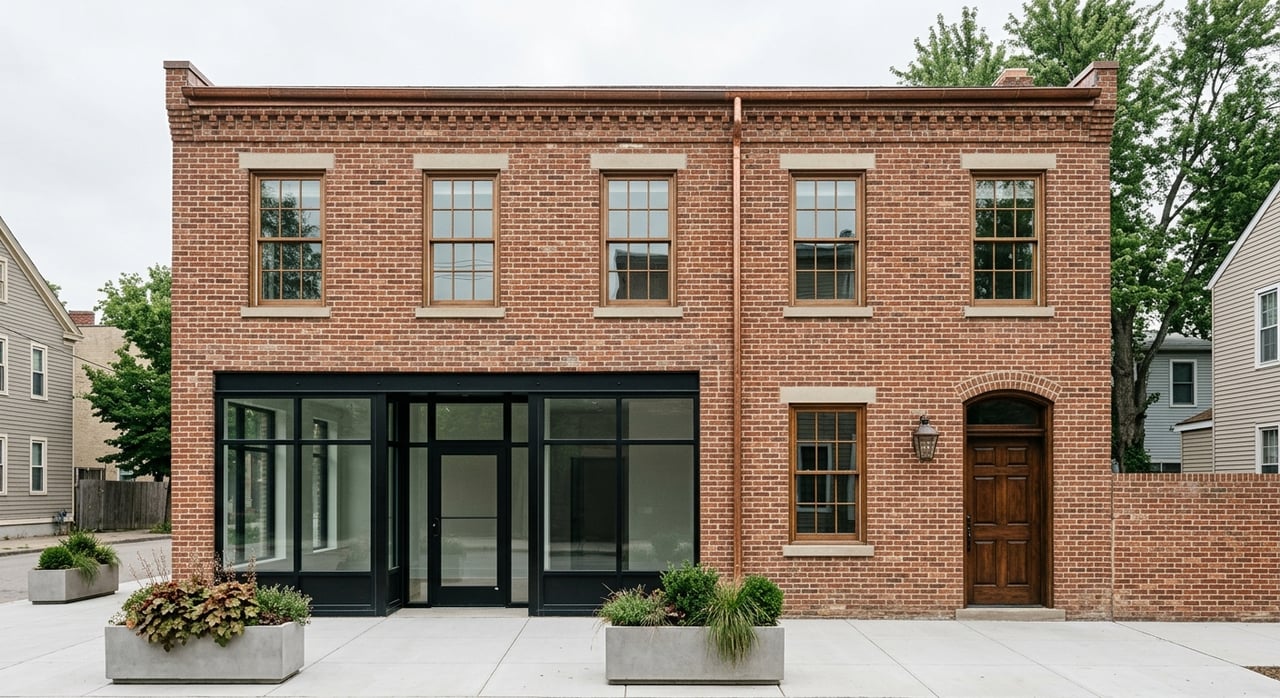
East Central includes homes built from the late 1800s through the 1940s, along with mid-century apartment buildings. In neighborhoods with older homes and smaller footprints, presentation becomes even more important.
Buyer research in the report shows that condition, size, and style are common compromise points. That supports a thoughtful pre-listing strategy focused on polished photography, clean staging, and careful repair work before launch.
If your property has architectural character, original details, or a strong indoor-outdoor relationship, those elements should be captured clearly. Buyers in this area are often looking for a combination of location, charm, and functional day-to-day living.
Match the Story to the Asset Type
Not every 9th & 9th area property should be marketed the same way. Some are straightforward residences, while others may function as owner-user properties, mixed-use buildings, or investment assets.
When that is the case, the copy should reflect the real use profile of the building. A property should be described based on what it actually is, such as residence plus office, retail plus apartment, or a pure investment asset.
That same discipline applies to zoning, parking, and access. Do not assume every property near the district offers the same flexibility. Buyers and owner-users are best served when the marketing accurately reflects what the parcel allows.
Build a Better Listing Narrative
A strong listing in this area often reads less like a feature dump and more like a clear picture of daily life. You want to show what is nearby, how someone gets there, and what the immediate block experience feels like.
That can include the area’s storefronts and restaurants, access to Liberty Park, proximity to downtown Salt Lake City, or trail connections toward Sugar House. The key is to keep the language grounded in what is true for that specific property.
Here is a useful framework:
Start with the location truth
State clearly whether the property is in 9th & 9th, in East Central, or near both. That one sentence sets the tone for an honest, well-positioned listing.
Add the daily-life benefits
Focus on the routines buyers value most. Think walkable errands, nearby dining, time outdoors, and the ease of reaching neighborhood destinations.
Support it with verified details
Use measurable, specific references rather than broad claims. Verified access and accurate context build more trust than overreaching copy.
Finish with the home’s fit
Tie the location story back to the asset itself. A bungalow, Victorian residence, condo, mixed-use building, or owner-user property should each be positioned according to how buyers are likely to use it.
Verify Before You Publish
Before a listing goes live, Salt Lake City’s GIS tools can help confirm key facts. The city provides maps for neighborhood and council boundaries, zoning lookup, engineering projects and permits, and public art.
Those tools are especially helpful when you need to confirm whether a property is actually within a certain district, whether access could be affected by public work, or whether zoning supports the use being described. In a neighborhood where the story is so tied to place, verification is part of good marketing.
That matters from a trust standpoint too. Utah’s Truth in Advertising law supports a conservative standard for marketing, so accurate, non-misleading language is the smart path.
What Sellers Should Prioritize First
If you are preparing to sell a property near 9th & 9th, focus on the steps that strengthen both accuracy and appeal:
- Verify the exact neighborhood and district context
- Confirm which amenities are truly relevant to the address
- Review zoning, access, parking, and any obvious use constraints
- Invest in repairs, staging, and strong photography
- Write listing copy around daily life, not just room count
- Match the marketing angle to the actual asset type
These steps help your property connect with modern buyers while keeping the message precise. That combination is often where the best results begin.
If you want help positioning a 9th & 9th or East Central property for today’s buyers, Align Complete Real Estate Services brings a strategic, neighborhood-aware approach that matches the asset, the audience, and the market.
FAQs
What does 9th & 9th mean in Salt Lake City real estate marketing?
- In Salt Lake City, 9th & 9th refers to the business district at 900 East and 900 South, known for boutique shops, restaurants, movies, outdoor art, and streetscape features that give the area a distinct identity.
Is East Central the same as 9th & 9th?
- No. East Central is a broader neighborhood defined by Salt Lake City between 700 East and 1400 East and between South Temple and 900 South, while 9th & 9th is a smaller district within the broader area.
Why do buyers care about walkability near 9th & 9th?
- Research cited in the report shows that many buyers value walkability, shopping convenience, neighborhood design, and access to restaurants and leisure, which makes nearby amenities a meaningful part of a property’s appeal.
What amenities should a 9th & 9th area listing mention?
- A listing should mention only amenities that are verified for the specific property, such as access to district storefronts, Liberty Park, the McClelland Trail, or the Liberty Park Trail when those features are genuinely relevant to the address.
How should sellers market older homes in East Central?
- Sellers should focus on condition, presentation, and clear photography, since East Central includes many older homes and buyer compromise points often include condition, size, and style.
Why is property-specific language important for 9th & 9th listings?
- Property-specific language helps avoid misleading claims, clarifies whether a home is actually in the district or simply nearby, and gives buyers a more accurate understanding of access, use, and neighborhood context.