Are you looking for a Salt Lake neighborhood that feels established, active, and easy to live in day to day? Sugar House stands out because it blends historic character, major park access, and a business district that gives you real everyday convenience. If you are thinking about moving here, this guide will help you understand what living in Sugar House actually feels like and what to expect from the neighborhood. Let’s dive in.
Sugar House at a Glance
Sugar House is a southeast Salt Lake City neighborhood centered on the Sugar House Business District at 2100 South and 1100 East, also known as Highland Drive. City planning materials identify the area as home to major neighborhood anchors like Sugar House Park and Westminster University.
That mix helps explain why Sugar House often feels different from a purely residential area. It has a neighborhood identity, but it also functions as a compact urban district where you can move between homes, parks, shops, and campus activity without feeling disconnected from the rest of the city.
Neighborhood Character in Sugar House
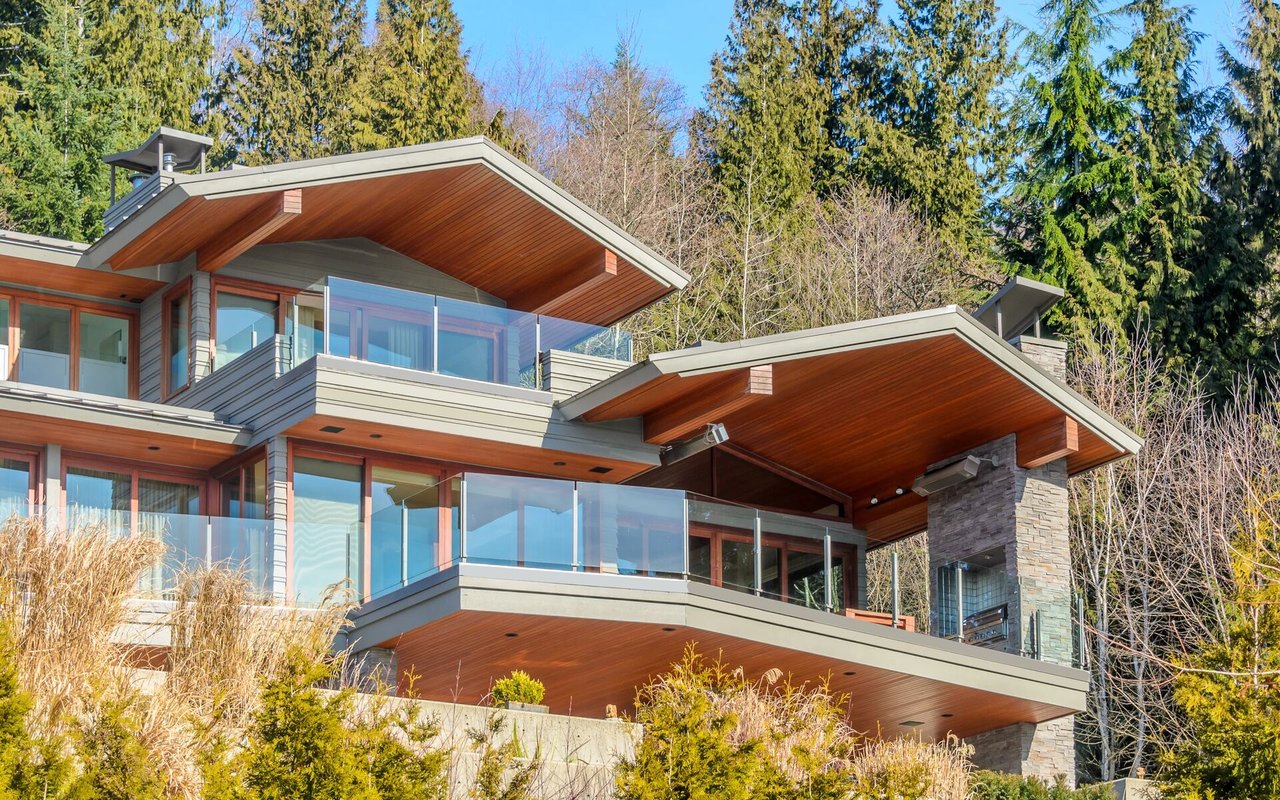
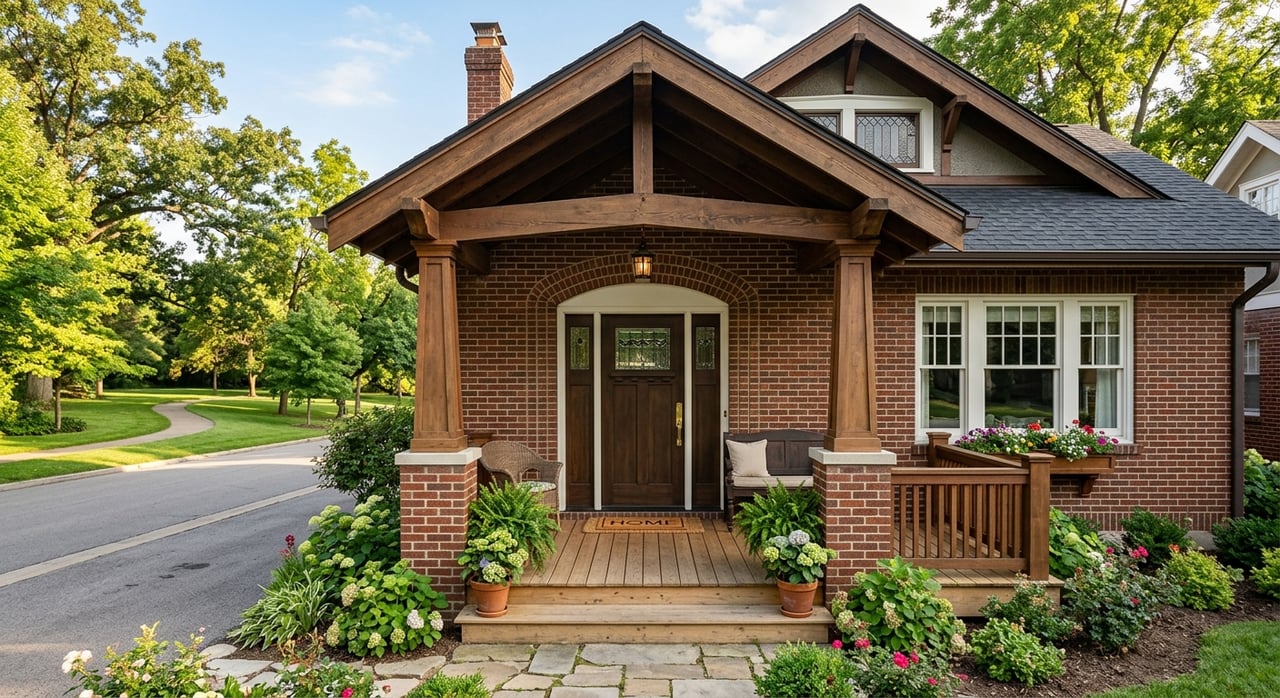
One of the biggest draws of Sugar House is that it does not feel one-note. According to Salt Lake City planning materials, the housing stock ranges from Victorian residences and larger homes to Craftsman bungalows and post World War II cottages.
That variety gives the neighborhood a layered feel. In many parts of Sugar House, you will notice older detached homes that reflect the area’s early development, while parts of the business district include newer, higher-density residential projects.
The city’s master plan ties much of Sugar House’s growth to early streetcar and railroad access. In practical terms, that history still shows up in the neighborhood layout, the established blocks, and the strong sense of place many buyers notice right away.
A Historic Feel With Newer Infill
Sugar House has maintained a distinct identity through its business district and surrounding residential streets. Planning materials describe neighborhoods of bungalows and Victorian homes as a core part of that identity.
At the same time, the area is not frozen in the past. Newer infill and mixed-use development near the core have added more housing options, especially for people who want to live closer to shops, services, and transit.
Parks Shape Everyday Life
If you ask many locals what defines Sugar House, parks will be near the top of the list. The neighborhood’s outdoor access is not a side benefit. It is central to how many people experience daily life here.
Sugar House Park
Sugar House Park is the neighborhood’s signature open space and one of the most recognizable parks in Salt Lake County. Official county materials place it at about 110 acres and list features that include a pond, playgrounds, pavilions, sports fields, sledding hills, access to Parley’s Trail, and a 1.38-mile road loop with an inside pedestrian lane.
For everyday living, that means you have room to walk, jog, gather, or simply spend time outside without leaving the neighborhood. The park also has a notable historic layer, as it sits on the former site of Utah’s first state prison.
Fairmont Park
Fairmont Park adds another major recreation option nearby. Salt Lake City lists amenities such as walking and jogging paths, soccer fields, a basketball half court, volleyball, a fishing pond, a skate park, six pickleball courts, an aquatic pool, playgrounds, and an off-leash fenced area.
That range matters if you want flexibility in your routine. Instead of relying on one park for everything, you have multiple outdoor spaces that support both active recreation and more casual use.
Trails and Getting Around Outside
Sugar House appeals to people who want more than just a nearby park. The neighborhood also connects into larger trail and transit systems that support walking, biking, and local trips.
Parley’s Trail Access
Parley’s Trail is an 8-mile paved bicycle and pedestrian trail that connects the Bonneville Shoreline Trail corridor to the Jordan River Parkway. With Sugar House Park providing access to that network, the neighborhood fits well for residents who want to incorporate outdoor movement into regular life.
For some people, that means recreational rides or walks on weekends. For others, it means having a more connected way to move through the city without always relying on a car.
S-Line Greenway and Streetcar
The S-Line Greenway and streetcar are another part of Sugar House’s daily rhythm. UTA says the S-Line streetcar connects residential and commercial areas in Sugar House and South Salt Lake along a 2-mile line with seven stops, linking riders to parks, shops, restaurants, and bus and TRAX connections.
UTA is also extending the line farther into the Sugar House business district near Highland Drive and Simpson Avenue. That continued investment supports the neighborhood’s identity as a place where you can mix different ways of getting around.
The Sugar House Business District
The Sugar House Business District is the neighborhood’s commercial center and a major part of what makes the area so livable. Salt Lake City describes it as a place known for shopping, dining, services, entertainment, recreation, coffee, nightlife, second-hand goods, and yoga, with a mix of local businesses and national stores.
This gives Sugar House more day-to-day convenience than many primarily residential neighborhoods. Depending on where you live, errands, dining, and casual meetups may be much closer to home than you would expect.
A Mixed-Use Neighborhood Core
City planning documents describe the district as a mixed-use area with small tenants, retail and office space, upper-story residential, and a pedestrian- and transit-oriented development pattern. In plain terms, the neighborhood core is designed to be more than a retail strip.
That shape affects how the area feels. Sugar House often functions as a place where residential life, work spaces, social spots, and daily errands overlap in a relatively compact footprint.
Convenience and Tradeoffs
Living near the district core can make everyday life easier, especially if you value nearby shops, dining, and services. It can also mean some streets feel busier and more parking-sensitive than quieter residential pockets elsewhere in Salt Lake City.
That is not necessarily a drawback, but it is worth understanding as you compare blocks within the neighborhood. Sugar House offers different living experiences depending on how close you are to the most active corridors.
Commuting and City Connection
Sugar House works well for many people because it offers more than one way to connect with the city. Walking, biking, transit, and driving all play a role here.
City planning materials emphasize pedestrian and bicycle circulation, transit-oriented development, better internal access, and coordinated parking. That suggests the neighborhood is designed around flexibility rather than a single commute style.
Driving Still Matters
Even with strong trail and transit options, Sugar House is not cut off from car travel. I-80 shapes the area’s edges and traffic patterns, and city materials discuss freeway access, reconstruction impacts, and traffic and noise mitigation.
If you drive regularly, that broader road access remains an important part of the neighborhood’s practicality. Sugar House tends to appeal to people who want options, not people who expect to live entirely car-free.
Connected, But Still Distinct
Sugar House feels tied into the rest of Salt Lake City while keeping a strong neighborhood identity. Westminster University adds a campus presence, the trail system connects residents to wider recreation routes, and the business district creates a center of gravity for local life.
That balance is a big reason the area stays popular. You can feel part of the city without feeling like you live in a generic corridor.
Who Sugar House May Fit Best
Sugar House often appeals to buyers who want a neighborhood with visible character, outdoor access, and a strong sense of place. If you like established homes, mixed housing options, and the ability to reach parks, trails, and daily errands with relative ease, the area may be worth a close look.
It can also suit people who want a neighborhood that feels active without losing its residential side. Because the housing stock and block-by-block experience vary, it helps to look carefully at the specific area that matches your priorities.
Final Thoughts on Living in Sugar House
Sugar House offers a combination that can be hard to find in one place: historic character, meaningful park access, a mixed-use business district, and good city connection. It is not uniform, and that is part of the appeal. From older bungalows and Victorian homes to newer infill near the core, the neighborhood gives you multiple ways to live within a well-established part of Salt Lake City.
If you are weighing a move to Sugar House, local context matters. The right block, housing type, and access pattern can shape your experience just as much as the neighborhood name itself. If you want thoughtful guidance as you explore Sugar House or compare it with other Salt Lake neighborhoods, connect with Align Complete Real Estate Services.
FAQs
What is Sugar House known for in Salt Lake City?
- Sugar House is known for its historic neighborhood character, the Sugar House Business District, Sugar House Park, trail access, and a mix of older homes and newer infill near the commercial core.
What types of homes are common in Sugar House?
- Salt Lake City planning materials describe Sugar House housing as varied, including Victorian residences, larger homes, Craftsman bungalows, post World War II cottages, and higher-density residential projects in parts of the business district.
How big is Sugar House Park?
- Official Salt Lake County materials place Sugar House Park at about 110 acres.
Does Sugar House have good park access?
- Yes. Sugar House has major outdoor amenities through Sugar House Park and Fairmont Park, along with access to Parley’s Trail and the S-Line Greenway.
Is Sugar House walkable for daily errands?
- Many daily errands and social outings can happen close to home, especially near the Sugar House Business District, which includes shopping, dining, services, and other neighborhood conveniences.
How do you get around from Sugar House?
- Residents often use a mix of walking, biking, transit, and driving. The neighborhood is served by the S-Line streetcar, trail connections, local streets, and access shaped in part by I-80.