When you walk through Yalecrest, the architecture is hard to miss. Brick cottages, steep gables, mature trees, and consistent setbacks give the neighborhood a look that feels cohesive without feeling repetitive. If you are drawn to older homes with character, Yalecrest offers a distinct architectural identity, but it also comes with practical ownership questions worth understanding before you buy. Let’s dive in.
Why Yalecrest Feels So Distinct
Yalecrest is one of Salt Lake City’s best-known east-bench historic neighborhoods, and its visual continuity is a big reason why. Salt Lake City’s historic preservation office notes that the Yalecrest Historic District was listed on the National Register in 2005 and developed quickly through 22 platted subdivisions between 1910 and 1938.
That period of concentrated development helped create a strong neighborhood rhythm. The city describes uniform setbacks, similar massing, mature trees, and a concentration of period-revival cottages and bungalows, all of which still shape the streetscape today.
Yalecrest also reflects an important phase of Salt Lake’s east-bench growth. According to the neighborhood survey record, the area developed during the streetcar and automobile era, with the 1500 East streetcar line connecting residents to downtown Salt Lake City.
Yalecrest Architectural Styles to Know
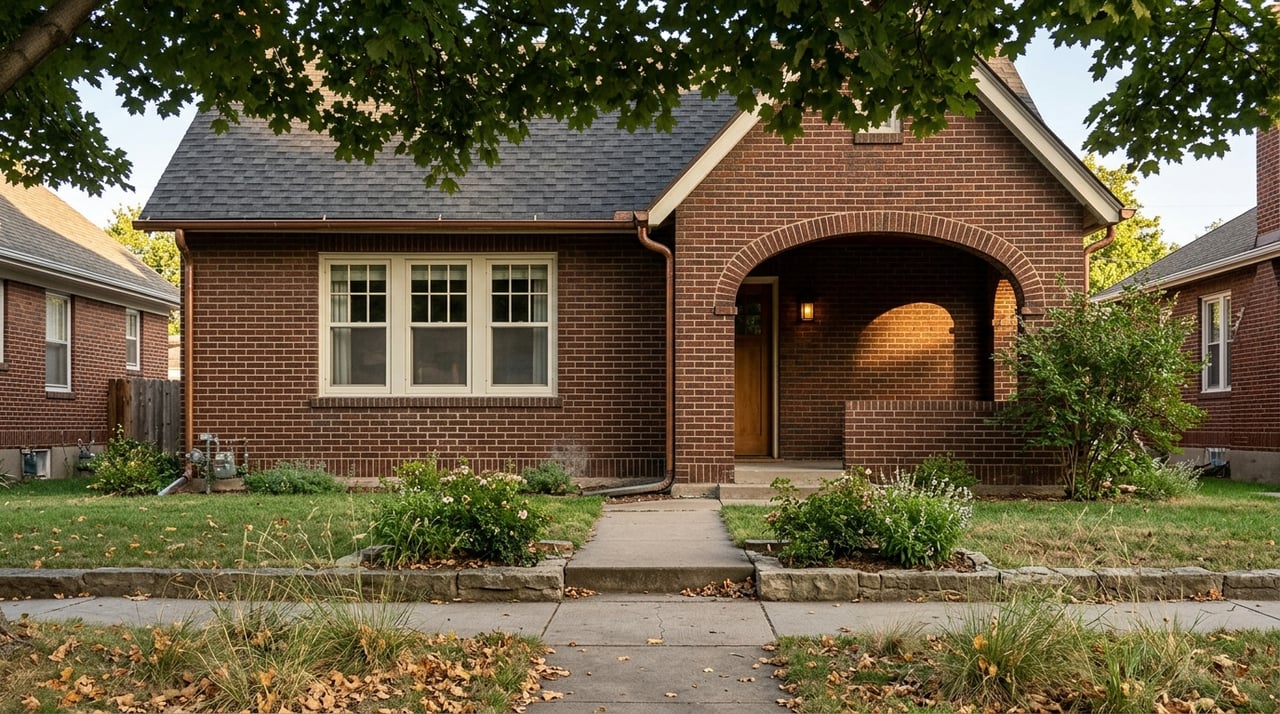
If you are shopping for a home here, a few styles stand out more than others. The survey record identifies the typical Yalecrest house as a brick, single-family English Cottage period cottage built in the 1920s.
That finding fits the broader numbers. Of the surveyed buildings, 74% were built between 1920 and 1939, 96% were single-family, 54% used brick, and most were one story or one-and-a-half stories.
English Cottage and Tudor Homes
English Cottage and English Tudor homes are the signatures of Yalecrest. These homes often feature steep or gabled rooflines, brick or mixed cladding, and, in Tudor examples, recognizable half-timbering.
If you are design-conscious, these details are often what create the instant curb appeal. The roof shapes, masonry, and historic proportions give many Yalecrest homes a level of texture and visual warmth that is harder to find in newer construction.
Bungalows and Prairie Influence
Yalecrest is not limited to one look. The neighborhood survey also found bungalows and Prairie School details throughout the area, especially in some of the earlier subdivisions.
These homes can appeal to buyers who want early-20th-century character with a slightly simpler or more horizontal design language. In practical terms, that means you may see a wider range of exterior details and floorplan styles than the neighborhood’s overall cohesion first suggests.
Broader Period-Revival Variety
Beyond the most common styles, Yalecrest includes Colonial Revival, French Norman, Dutch Colonial, Jacobethan Revival, Spanish Colonial, and smaller numbers of Art Moderne, Art Deco, and International houses.
For buyers, that variety matters. It means you can still find a home with a distinct architectural personality while staying within a neighborhood that feels visually connected.
What the Streetscape Tells You
Yalecrest’s appeal is not just about the houses themselves. It is also about how the houses sit on their lots and how the streets feel as you move through the neighborhood.
Salt Lake City describes Yalecrest as visually cohesive, and the neighborhood survey adds mature street trees, winding streets, and well-maintained houses and yards. Together, those elements create a pedestrian-scaled setting that feels established and intentional.
Setbacks, Trees, and Lot Patterns
Many buyers notice the setbacks right away. Homes generally sit back from the street in a way that creates visual consistency, but the lot pattern is not identical from block to block.
That variation is part of the neighborhood’s charm. The survey describes areas like Normandie Heights as having landscaped serpentine streets, deep setbacks, and large irregularly shaped lots, showing that Yalecrest includes multiple subdivision patterns rather than a single repetitive layout.
Rear Garages and a Quieter Street View
Detached garages are another common historic pattern in Yalecrest. According to the survey, most houses have detached garages at the rear of the lot, often helped by alleys that keep them less visible from the street.
That affects the feel of the block more than many buyers expect. With fewer front-loaded garages dominating the view, the streetscape often reads as calmer and more house-focused.
Why New Construction Is Limited
One reason Yalecrest retains so much character is that it largely built out in the early 20th century. The survey notes that little vacant land remained for later development, so newer projects have tended to be replacements, renovations, or additions to existing single-family homes.
For buyers, this means most inventory is part of the neighborhood’s historic housing stock rather than brand-new construction. It also means the condition, quality of updates, and sensitivity of past alterations can make a major difference from one property to the next.
What Buyers Should Check Before Making an Offer
Buying in Yalecrest is often as much about evaluating stewardship as it is about square footage. Older homes can be deeply rewarding to own, but you want a clear picture of what has been preserved, what has been changed, and what may require approval later.
Confirm Historic District Status
Not every Yalecrest property is governed the same way. Salt Lake City distinguishes between local historic districts and the broader National Register district, and that difference matters.
If a property is in a local historic district, exterior changes and proposed demolitions are subject to local design review. If it is only within the National Register area, the same local review rules do not automatically apply in the same way.
Understand Exterior Review Rules
For properties in a local historic district, Salt Lake City says exterior work requires planning approval before work begins and before a building permit is issued. The city calls this approval a Certificate of Appropriateness.
Paint color and minor maintenance are the main exceptions, and interior remodels generally do not require a Certificate of Appropriateness. If you are considering future updates, it is smart to understand this process early.
Look Closely at Prior Alterations
The neighborhood survey offers a helpful list of common changes that can affect historic character. These include replacement windows, vinyl or aluminum recladding, dormers added to use attic space, rear additions, and enclosed front porches.
When you compare homes, these details can tell you a lot. A more intact house may better reflect the original architecture, while a heavily altered house may require closer review if you hope to restore or further improve it.
Budget for Older-Home Maintenance
A Yalecrest purchase often comes with maintenance needs tied to age, materials, and craftsmanship. Salt Lake City’s preservation materials specifically address building materials, windows, doors, porches, roofs, additions, accessory structures, and even seismic retrofitting.
That is a practical reminder that ownership here can involve more than cosmetic updates. Buyers should plan for thoughtful maintenance and, when needed, guidance from professionals familiar with older masonry and historic detailing.
The Value of Design-Sensitive Buying
In a neighborhood like Yalecrest, architectural charm is not just aesthetic. It can shape long-term enjoyment, future improvement options, and how a home fits within the surrounding block.
That is why a strategic purchase matters. You are not only evaluating price and layout, but also the quality of prior renovations, the integrity of the original design, and the level of review that may apply to future exterior work.
Yalecrest’s East-Bench Location
Yalecrest’s east-bench setting is part of its draw. The neighborhood sits in the broader corridor southeast of downtown Salt Lake City and near the University of Utah area.
For buyers who value architecture and access to cultural destinations, that location adds another layer of appeal. Nearby east-bench institutions include the Utah Museum of Fine Arts, Red Butte Garden, and the Natural History Museum of Utah.
What This Means for Your Home Search
If you love historic character, Yalecrest gives you a lot to work with. The neighborhood is known for English Cottage and Tudor homes, brick construction, mature streetscapes, and a strong sense of continuity shaped by early-20th-century development.
At the same time, buying here requires a bit more care than buying in a newer neighborhood. You will want to understand district status, review past exterior changes, and think realistically about maintenance and future improvement plans.
For the right buyer, that extra diligence is worth it. A well-chosen Yalecrest home can offer architectural substance, a highly recognizable neighborhood setting, and lasting appeal in one of Salt Lake City’s most design-forward residential areas.
If you are considering a move in Yalecrest or want help evaluating the tradeoffs between character, condition, and long-term value, Align Complete Real Estate Services can help you make a clear, informed decision.
FAQs
What architectural styles are most common in Yalecrest homes?
- The most common Yalecrest styles are English Cottage and English Tudor, with bungalows and other period-revival styles also present throughout the neighborhood.
Are all Yalecrest properties under the same historic preservation rules?
- No. Some properties are in Salt Lake City local historic districts, where exterior changes require design review, while the broader Yalecrest area also includes a National Register district with different implications.
What exterior changes can affect a Yalecrest home’s historic character?
- Common character-changing alterations include replacement windows, vinyl or aluminum recladding, enclosed front porches, dormers, and large additions.
What should Yalecrest homebuyers budget for beyond the purchase price?
- Buyers should plan for older-home maintenance, possible preservation review for exterior work in local historic districts, and professional evaluation of prior alterations when needed.
Why do Yalecrest streets feel different from many newer neighborhoods?
- Yalecrest often has detached rear garages, mature street trees, winding streets, and consistent setbacks, which create a quieter and more pedestrian-scaled streetscape.
What should buyers verify before renovating a Yalecrest home?
- Buyers should first confirm whether the property is in a local historic district, because exterior work may require planning approval and a Certificate of Appropriateness before work begins.